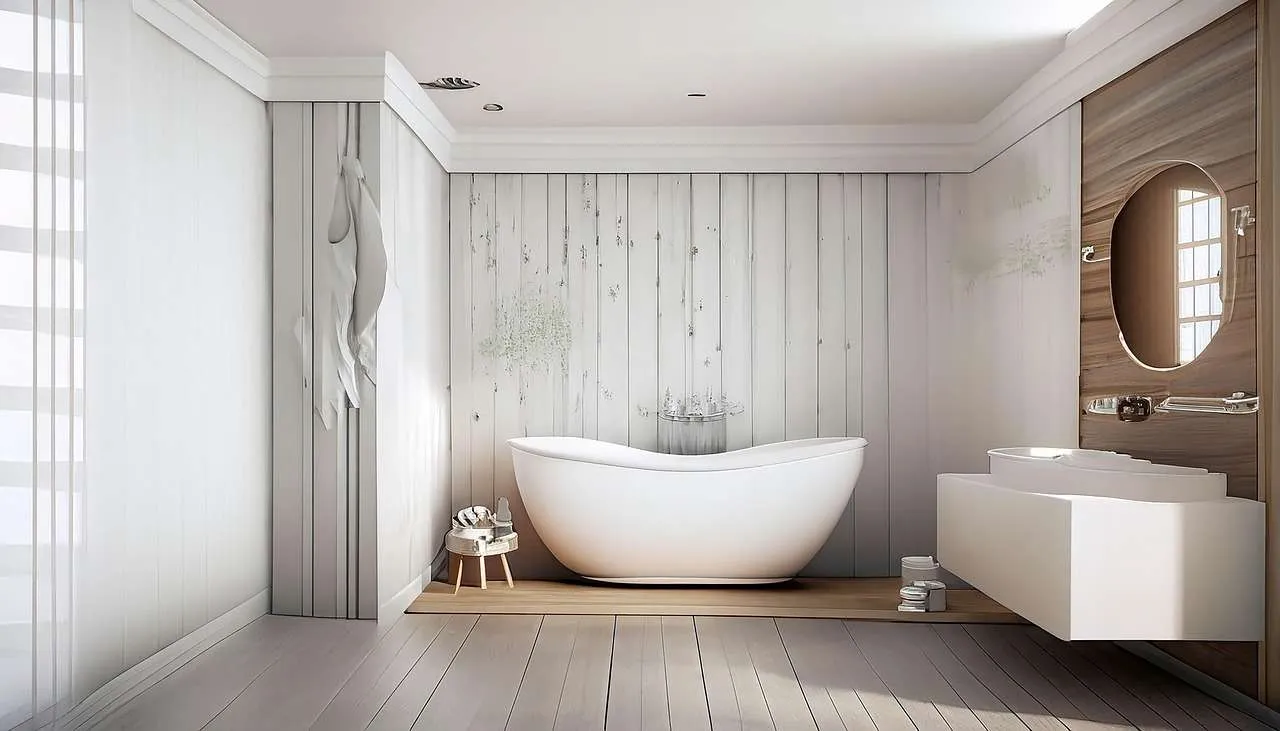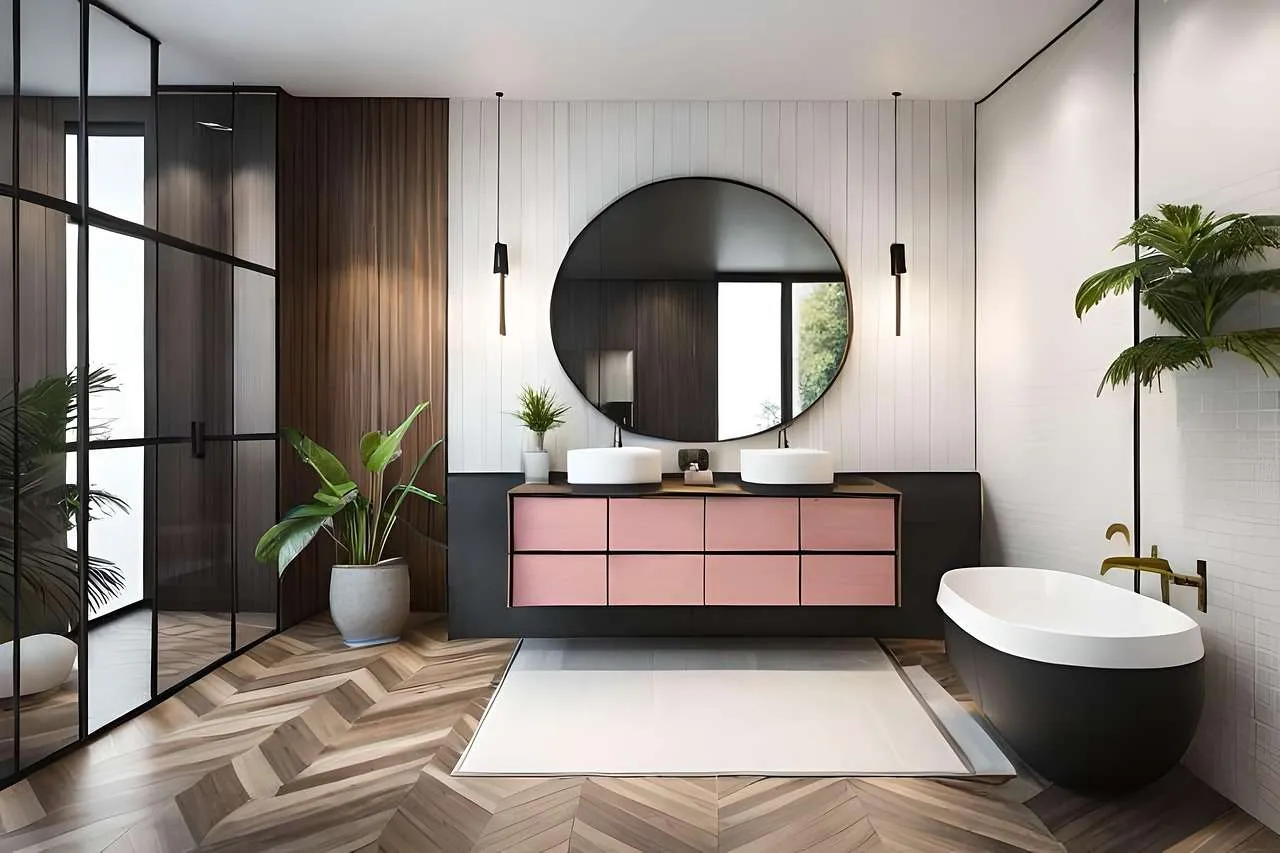
Small bathroom ideas are not just about aesthetics; they’re about maximizing every square inch without compromising comfort or style. With careful planning, even the tiniest bath can feel open, organized, and inviting. This guide draws on professional design principles to help homeowners and renovators achieve durable, code-friendly results.
Why small bathroom ideas matter
In compact spaces, layout, fixtures, and finishes interact to create perceived space, better flow, and easier maintenance. By prioritizing vertical storage, light colors, and glass finishes, you reduce visual clutter and improve moisture resistance. Implementing these small bathroom ideas can boost daily usability and the home’s overall value.
Layout strategies for space savings
1. Opt for a walk in shower or corner shower
Replacing a bulky tub with a frameless glass shower visually expands the room and reduces maintenance. A corner shower or stall with a recessed curb keeps the footprint compact while providing a comfortable enclosure.
2. Choose a wall mounted or compact vanity
A wall mounted vanity frees floor space and makes mop-friendly cleaning easier. Select a unit with integrated storage to keep essentials out of sight while maintaining a slim profile.
3. Use a pocket or slim door
Sliding pocket doors save the width typically used by hinged doors, creating a more open entry and eliminating door swing conflicts in tight baths.
Materials and finishes that endure
Durability and moisture resistance are essential in small baths. Favor porcelain or ceramic tiles in large formats to minimize grout lines, quartz or solid surface countertops, and long lasting sealants. Light colors reflect more light, while matte textures reduce glare and hide minor wear.
Storage and organization
Smart storage keeps small spaces uncluttered. Consider recessed medicine cabinets, floating shelves above the vanity, and built in niches in the shower for soap and shampoo. Use baskets and clear containers to maintain order without heavy visual weight.
Lighting and color strategy
Layer lighting to make a room feel larger. Combine ambient overhead lighting with task lighting around the vanity and soft illumination in the shower. Mirror placement and bright white or gray palettes enhance brightness and perceived space while remaining timeless and durable.
Budgeting and planning
Plan in phases if needed. A full remodel demands permits and moisture protection upgrades, but strategic updates such as new fittings, better lighting, and storage solutions often yield a high return with lower risk and disruption. Prioritize water resistance, ventilation, and durable finishes to ensure long term value.
| Idea | Pros | Cons | Best For |
|---|---|---|---|
| Wall mounted vanity | Frees floor space; easier cleaning; modern look | Requires wall support and plumbing access | Small bathrooms with a solid wall structure |
| Pocket door | Saves width; reduces door swing issues | Higher installation cost; needs framing | Very tight layouts |
| Frameless glass shower | Feels spacious; shows less bulk | Sealing and cleaning diligence required | Shower only baths |
| Recessed storage and niches | Clutter-free surfaces; efficient use of vertical space | More carpentry and waterproofing steps | Bathrooms with limited vanity space |
Regular maintenance and professional installation help protect investments. For occupants, simple updates such as mirror upgrades, new lighting, and improved ventilation can dramatically improve daily comfort without a total overhaul.
Summary In this guide we explored practical small bathroom ideas covering layout, fixtures, finishes, storage, lighting and budgeting. By choosing compact, wall mounted elements, glass enclosures, bright colors, and smart storage, you can convert a tight bath into a calm, functional space that lasts.