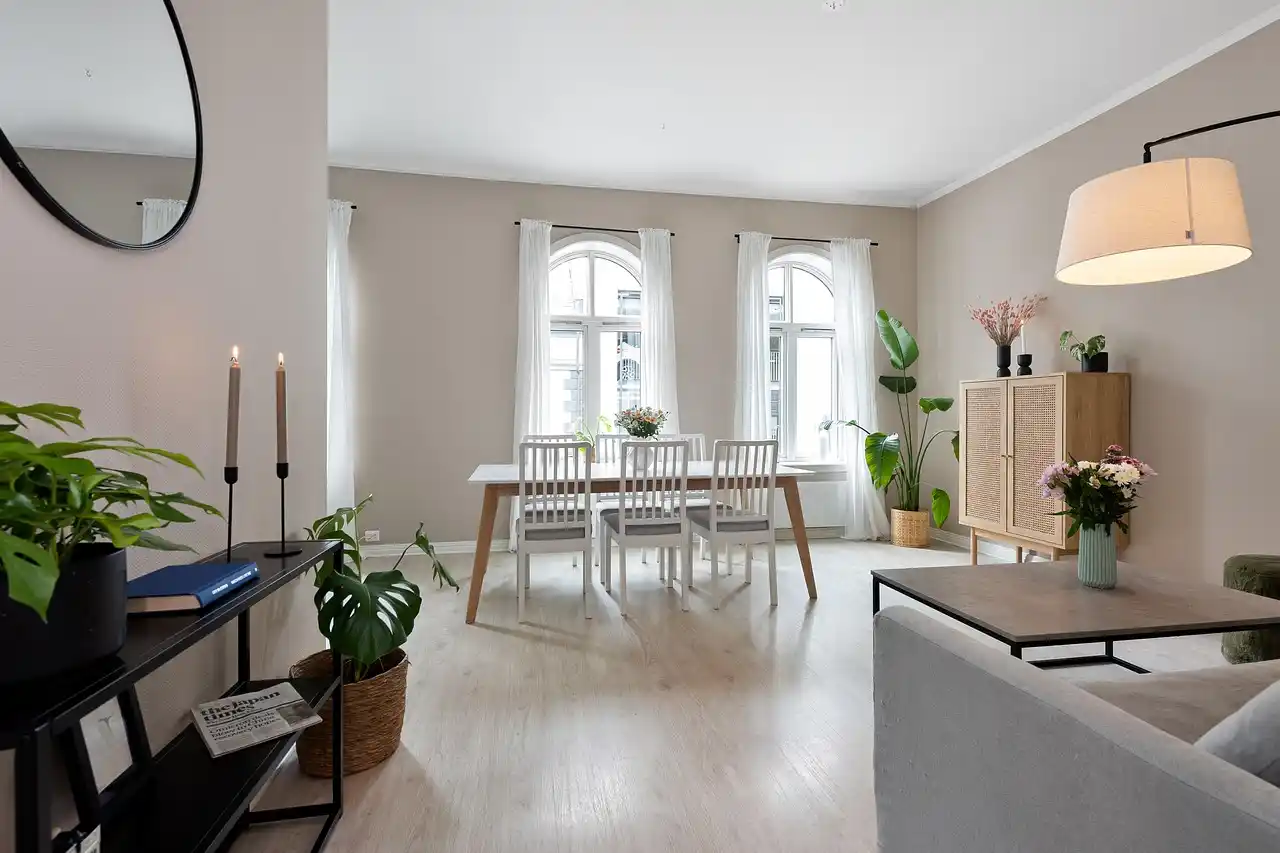
Finding the right provider for home window tinting near me can transform comfort, energy bills, and privacy. This guide explains how to locate reputable local installers, what to expect during installation, and how to select the best film for your home. By focusing on expertise, transparency, and trust, you’ll make a smart decision that stands up to everyday use and long-term performance.
Why local tinting matters
Choosing a nearby tinting service matters for convenience, faster scheduling, and easier warranty management. Local installers are more likely to offer in‑home evaluations, neighborhood references, and service that understands your climate and building codes. A nearby team can also respond quickly if you need adjustments or repairs after the work is complete.
How to choose a home window tinting provider near you
Begin with a careful screening process that emphasizes credibility and results. Look for installers who share clear pricing, provide written estimates, and show a portfolio of completed residential projects. Check reviews on multiple platforms, and verify certifications or manufacturer training. A reputable local tint shop will also discuss energy performance estimates and provide a realistic timeline for installation.
What to look for during your search
- Experience and credentials: Look for technicians with years in business and training from recognized programs such as IWFA (International Window Film Association) or manufacturer certification.
- Warranty and service policy: Ask about product warranties, labor coverage, and what happens if edges peel or bubbles form during curing.
- Material options and transparency: Get an explanation of film types, visible tint levels, UV rejection, heat blocking, and glare reduction, with recommended options for your climate.
- On-site assessment: A good installer will measure, evaluate sun exposure, and discuss energy savings using a simple projection or estimate, not just upsell.
- Local laws and codes: Some jurisdictions regulate tint darkness for homes; ensure the installer explains any legal limits and ensures compliance.
Understanding tint film options for homes
Residential films come in several families, each with tradeoffs in appearance, heat control, and price. Below is a concise overview to help you compare options before requesting quotes.
Table: Comparison of common tint types
| Type | UV Rejection | Heat Reduction | Glare Reduction | Privacy | Durability | Typical Cost | Best For |
|---|---|---|---|---|---|---|---|
| Dyed | Low–Medium | Medium | High | Medium | Medium | Low | Budget privacy, basic glare control |
| Metalized | High | High | High | Low (reflection) | High | Medium | Strong heat control, visible reflections |
| Ceramic | Very High | Very High | High | High | Very High | High | Best all-around performance, long-term value |
| Carbon | High | High | High | High | High | Medium–High | Balanced performance with dark appearance |
| Hybrid | High | High | High | Medium–High | High | Medium | Balanced option, versatile look |
Notes: UV rejection protects furnishings and skin; heat reduction lowers cooling loads. Density of tint affects visibility from outside. The best choice depends on your priorities: energy savings, privacy, or the aesthetics of a darker exterior.
How to evaluate EEAT when selecting a local installer
EEAT stands for Expertise, Authoritativeness, and Trustworthiness. For home window tinting near me, you can verify these qualities by looking for documented credentials, visible project portfolios, and independent reviews. Reputable installers often share the following signals: trained installers, clear material specifications, third‑party product certifications, detailed written guarantees, and transparent scheduling practices. If a shop cannot provide these, consider a second or third estimate.
Questions to ask before you hire
- What certifications do your technicians hold (IWFA, manufacturer training, or supplier certifications)?
- Do you provide a written estimate with a breakdown of material and labor costs?
- Is there a warranty on both the film and the installation, and what does it cover?
- Will you provide a heat-load or energy-savings estimate for my home?
- What are the local laws about window tint darkness or reflectivity for residential windows?
What to expect during and after installation
Qualified installers typically begin with a thorough cleaning of glass and frames, followed by careful film cutting and edge sealing. They should protect surrounding finishes, move furniture if needed, and provide a curing period during which you avoid cleaning or touching the film for a few days. After installation, you may notice a temporary haziness as the film cures; this usually clears within a week or two.
Maintenance and longevity
Maintenance is straightforward: clean with non-abrasive, non-ammonia cleaners and a soft cloth. Avoid harsh scraping of the film surface. Most films carry multi‑year to lifetime warranties if professionally installed. Regular inspections should be part of your annual home maintenance routine, especially after storms or if you notice seal failures around edges.
Conclusion
Choosing the right home window tinting near me involves evaluating local expertise, understanding film types, and asking the right questions. Prioritize certified installers, transparent warranties, and evidence of performance (UV rejection and heat reduction). Use the comparison table to match your goals—privacy, aesthetics, and energy savings—with the best film type. By focusing on credible local providers and clear expectations, you’ll secure lasting comfort and value for your home.
Summary: Local expertise, clear warranties, and informed film choices lead to better comfort, energy savings, and long-term satisfaction when selecting home window tinting near me. Compare options, verify credentials, and plan for proper installation and maintenance to maximize performance and value.